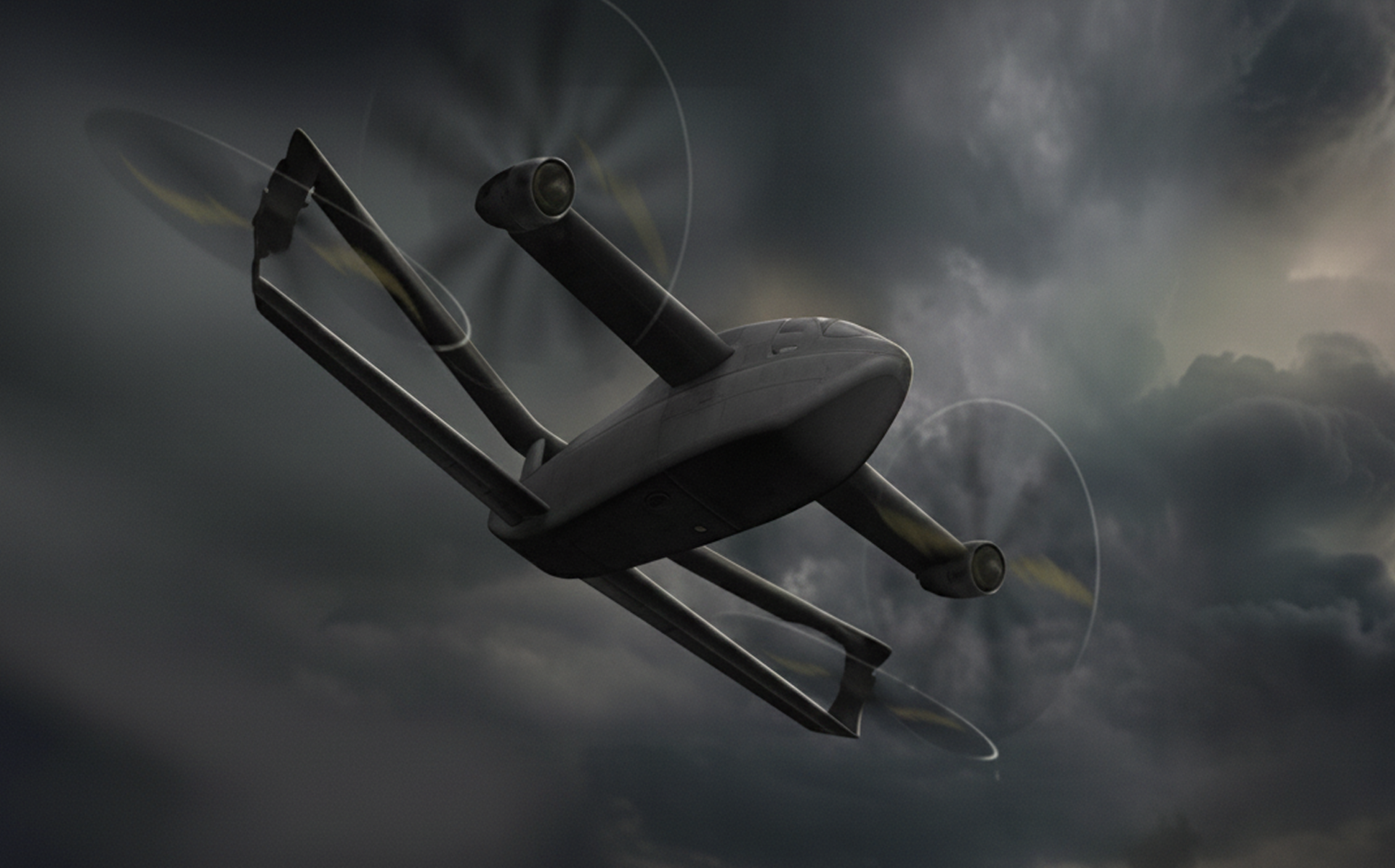
Designed for the mission.
AUTONOMOUS VTOL · 3 ACTIVE PATENTS · USAFA VALIDATED · EXTENDED ENDURANCE ·A Breakthrough in VTOL Aviation.
Thoughtfully crafted to elevate what matters most.
SETTING UP THE PROBLEMThe Hover-Cruise Tradeoff.
HOVER
Gives aircraft unmatched flexibility—but at a cost.
• Vertical takeoff and landing
• Precision positioning and hover
• No runway required
• Limited speed and endurance
• High energy consumption during flight
CRUISE
Gives aircraft unmatched efficiency—but at a cost.
• Faster and more efficient flight
• Greater range and endurance
• Lower energy requirements
• Requires runways/launch infrastructure
• Cannot hover or hold position
• Numerous VTOL approaches attempted
• Issues in weight, complexity & performance
• Hover and cruise transitions are difficult
• Existing solutions compromise, never solve
• Until NOW -THE GAP
The 80-year gap. None of the previous approaches fully solved the problem.
PURPOSE BUILT FOR EVERY PHASE OF FLIGHT“
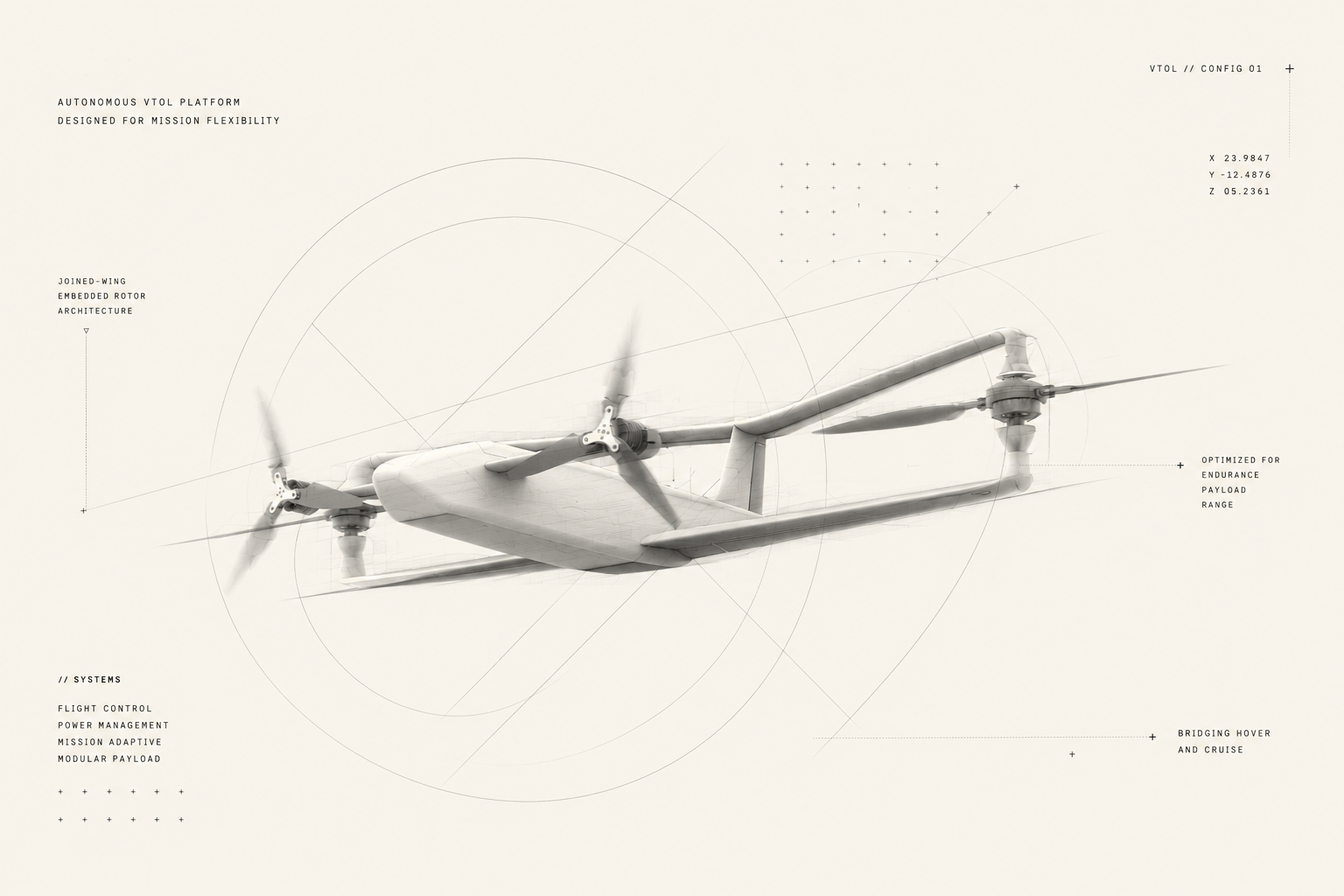
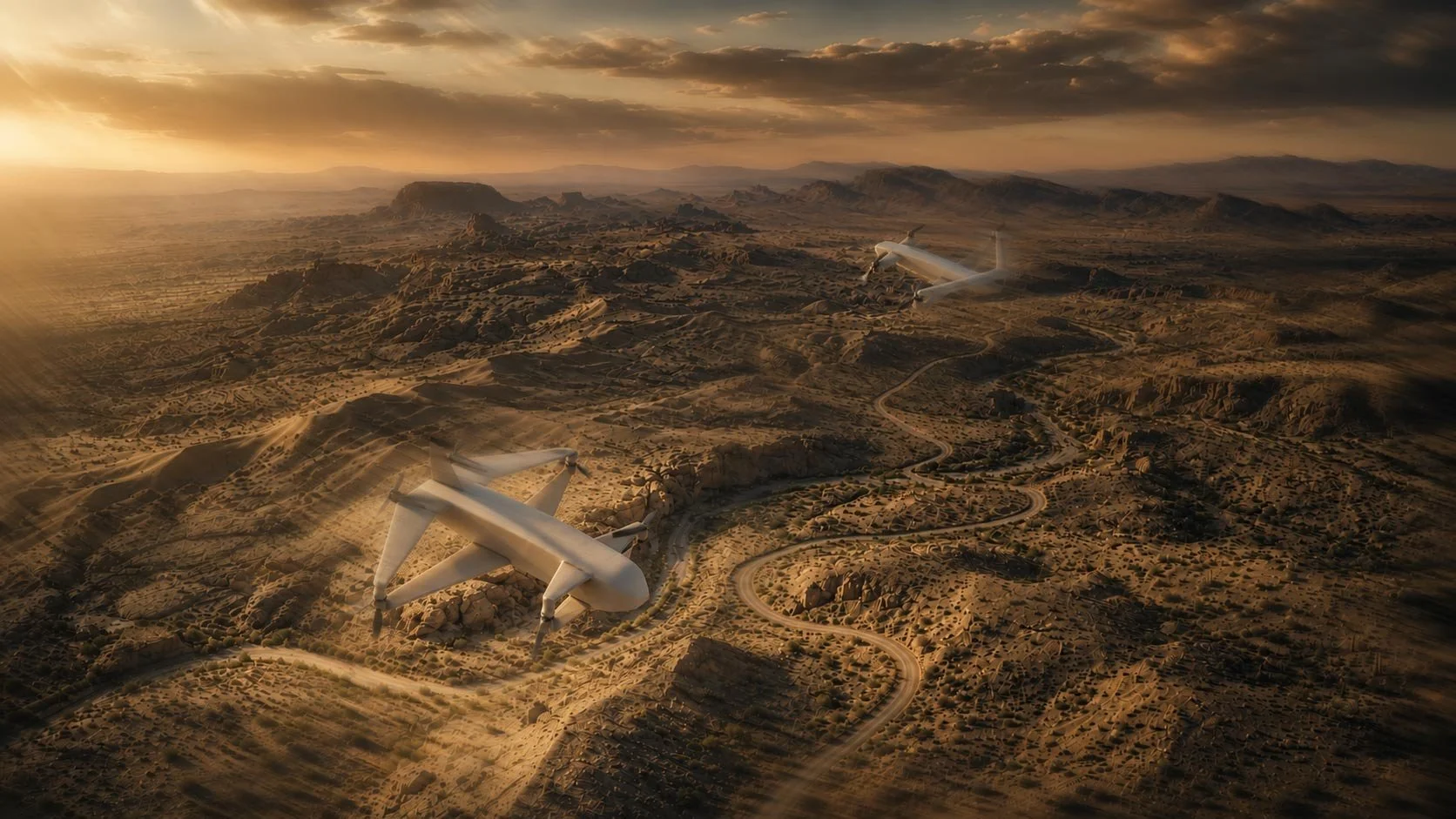
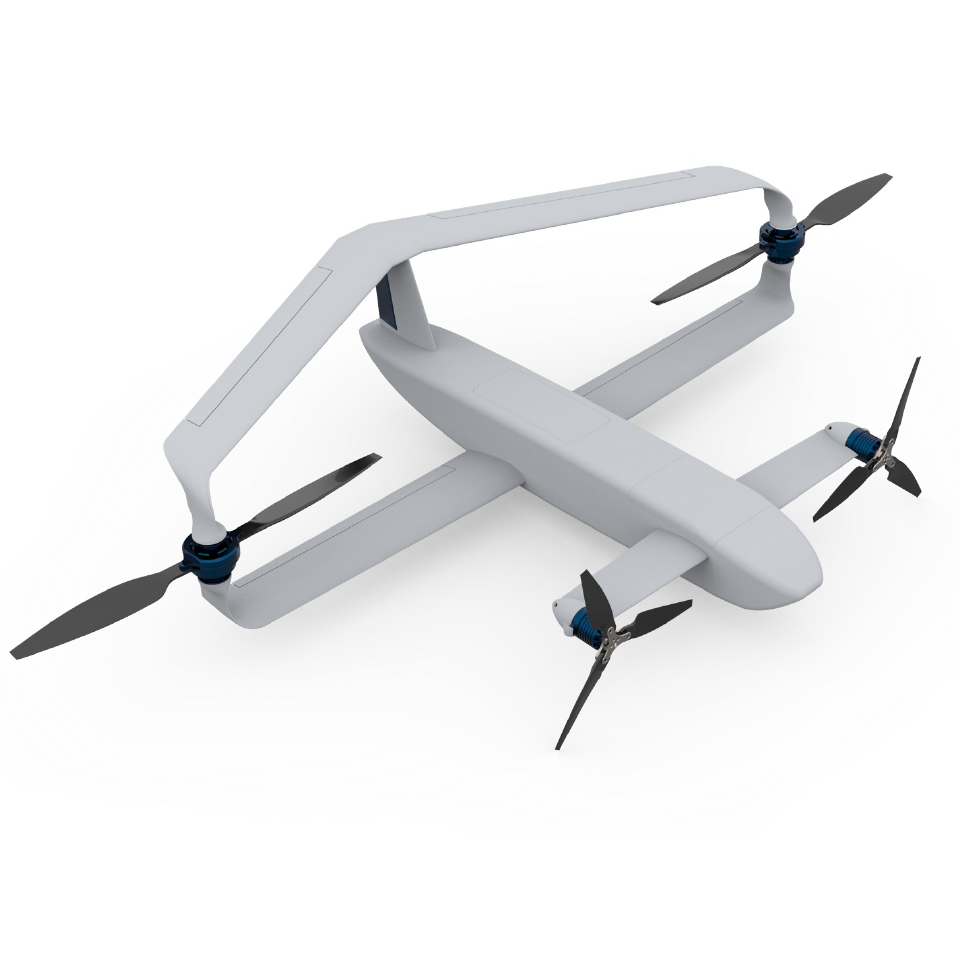
Our joined-wing embedded-rotor architecture solves the hover/cruise tradeoff by assigning each flight regime its own dedicated propulsion system. Large, lightly-loaded lift rotors embedded in the wing structure provide efficient hover without the geometric compromises forced on dual-role designs. Smaller drive rotors handle horizontal flight exclusively, contributing lift assist during transition when tilted upward, then driving cruise when parallel to the airframe. With cruise underway, the lift rotors are fully unloaded and stowed aft, eliminating the parasitic drag that cripples conventional lift-plus-cruise configurations. “
► PROBLEM ► SOLVED►︎ PATENT ► SECUREDAn Architecture Without Compromise
Caelivore Solves This.
How it works
“
The fundamental challenge of VTOL aircraft is that hover and cruise demand opposite things from a rotor, while hover requires large, slow-turning discs for efficient lift, cruise requires small, streamlined propulsion to minimize drag. Every conventional solution is a compromise. Tilt-rotors carry oversized hover rotors into cruise, lift-plus-cruise designs haul dead weight through most of the mission, and multicopters sacrifice aerodynamic efficiency entirely. Actuator disk theory dictates that hover efficiency increases with rotor area while cruise efficiency increases with wing L/D. No single mechanical system can maximize both simultaneously. Most VTOL aircraft are optimized for one end of the flight envelope and penalized at the other, with the hover-to-cruise transition being where that engineering debt comes due…until now. “
DEVOUR THE SKY
Caelivore Unique Flight Technology
AN EVOLUTION IN VTOL AVIATION80 YEARS IN THE MAKING.►︎ USAFA TESTED ► FIELD VALIDATED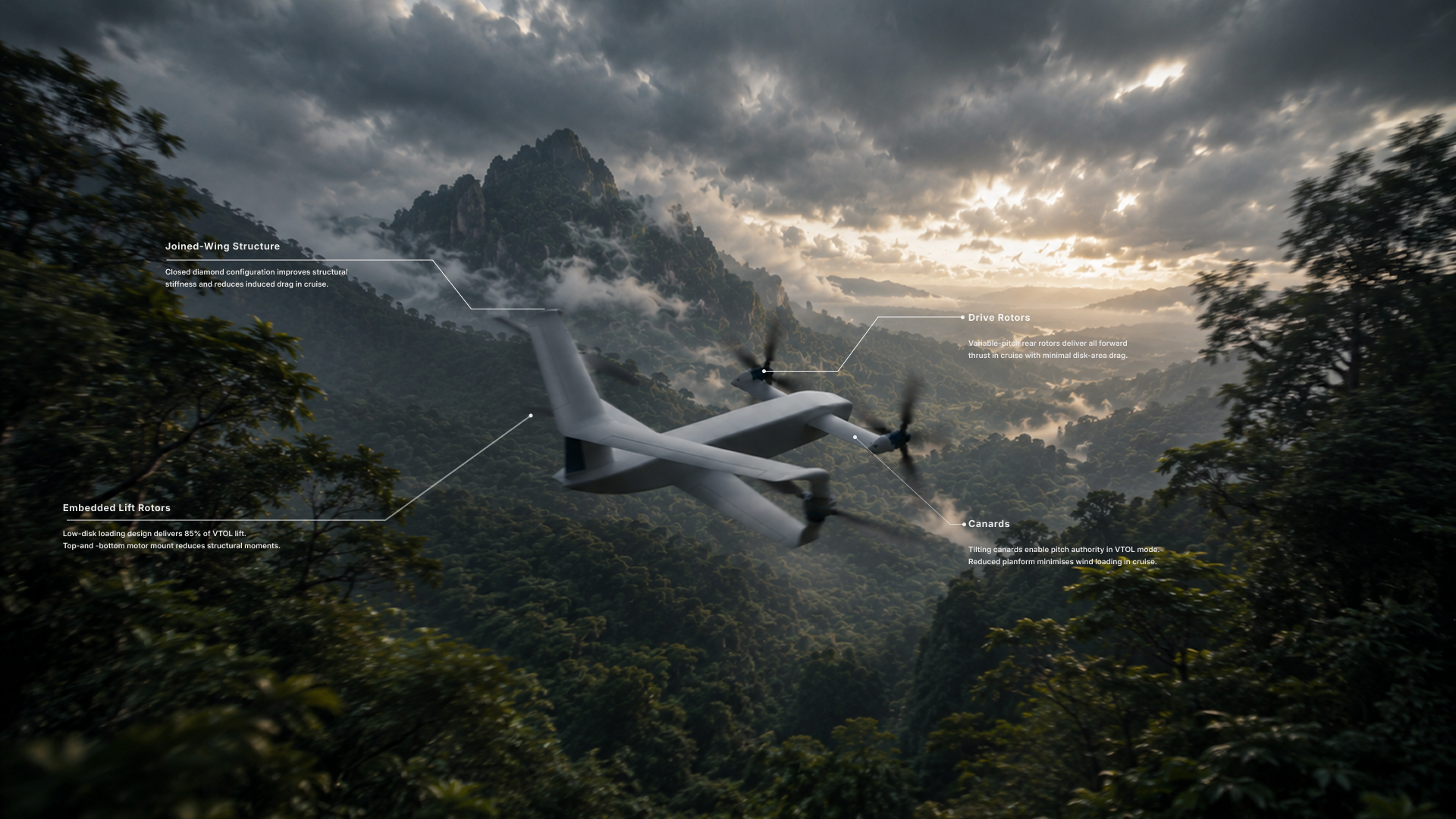
One Flight System.
Expanded Mission Flexability.
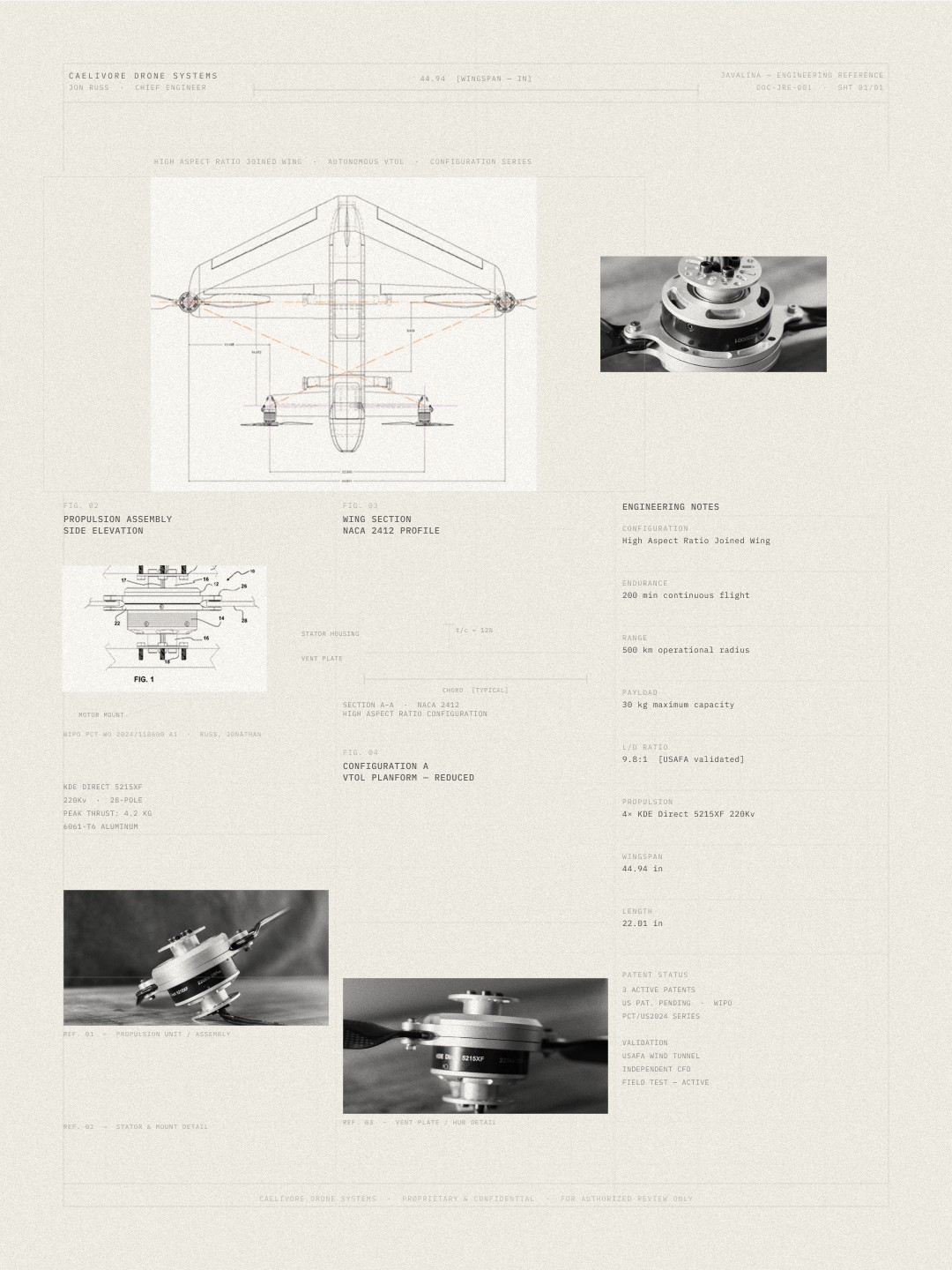
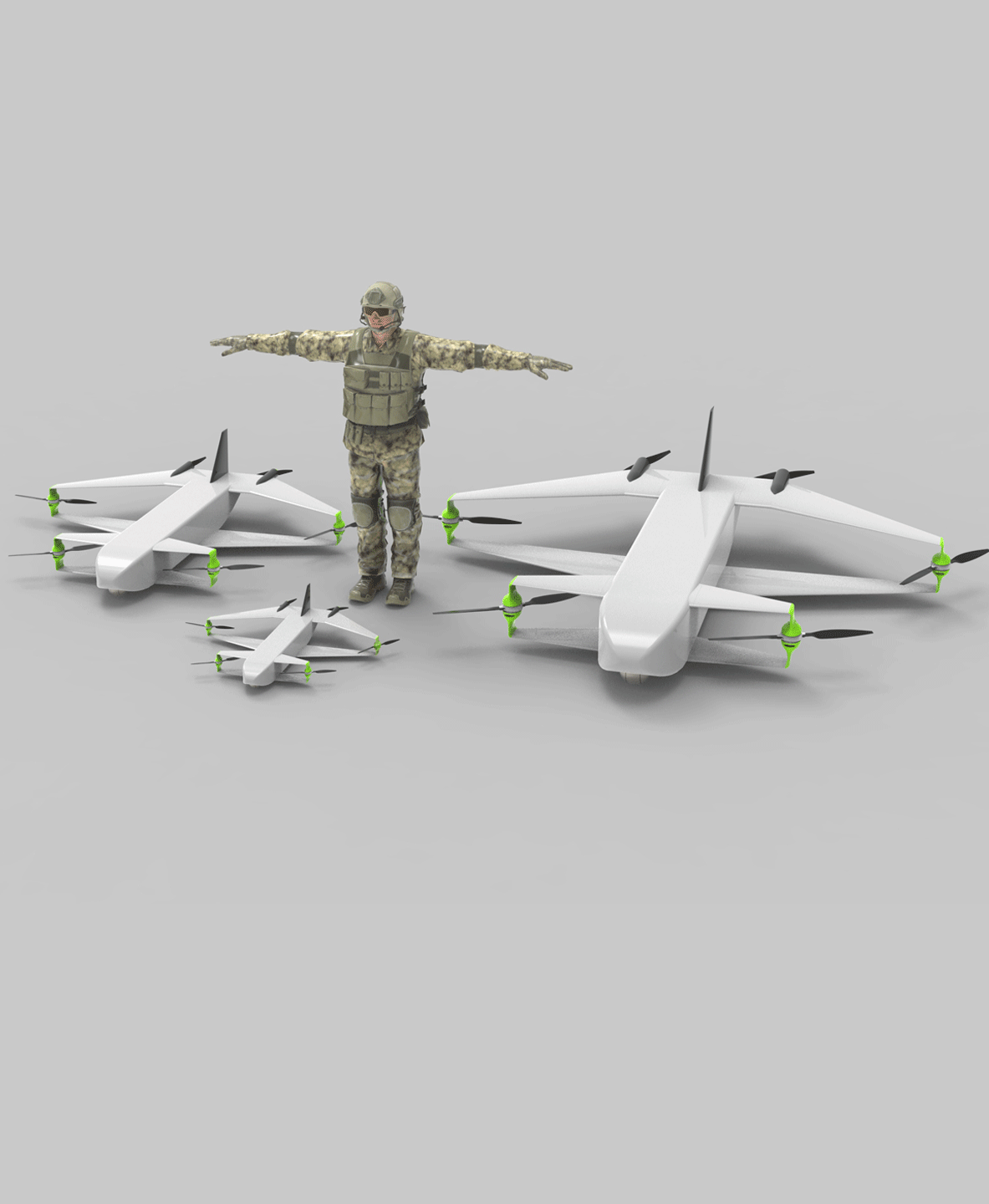
Caelivore’s patented technology allows you to fly better. Maximizing speed, range, and payload.
Javalina
Built for Scale
►︎ INCREASED ENDURANCE ►︎ + RANGE►︎ OPTIMIZED FOR LONG DISTANCE ► MISSIONSArmada
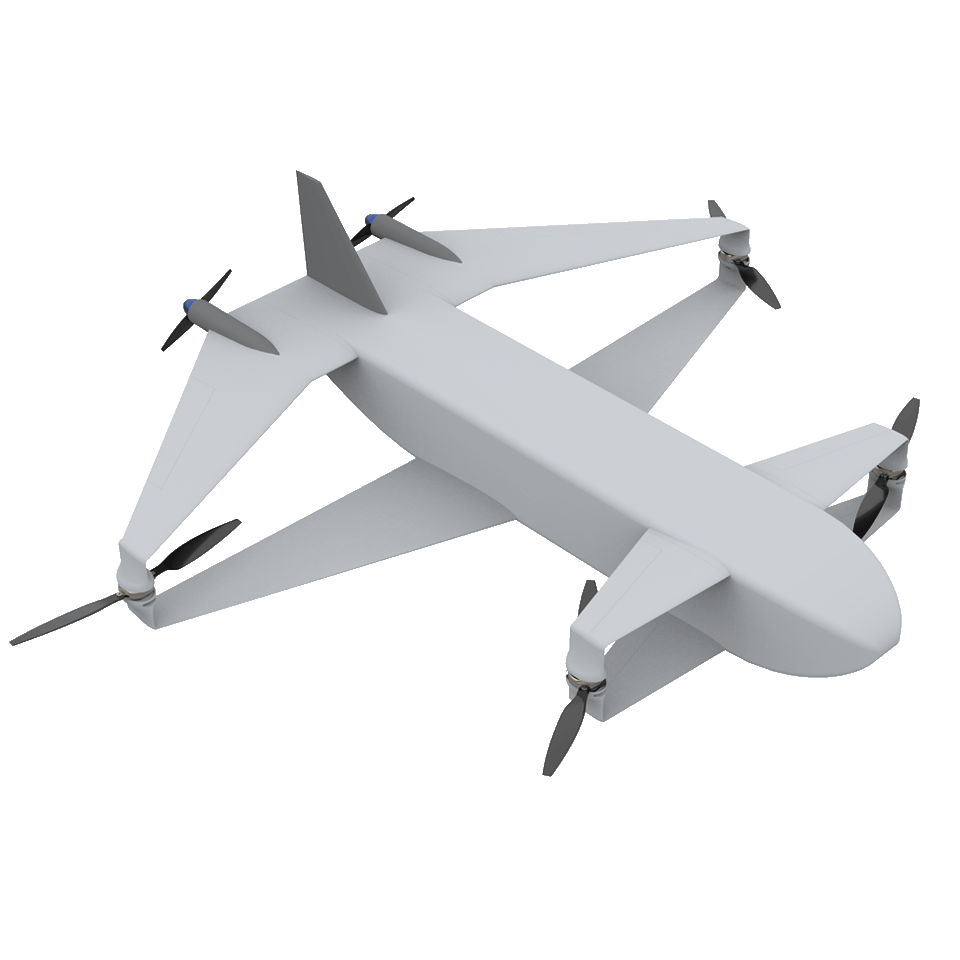
Built for Endurance
►︎ INCREASED PAYLOAD CAPACITY ►︎ + OPS►︎ DESIGNED FOR LOGISTICS ► + DEFENSEFLIGHT possibilities Capability creates Opportunity.
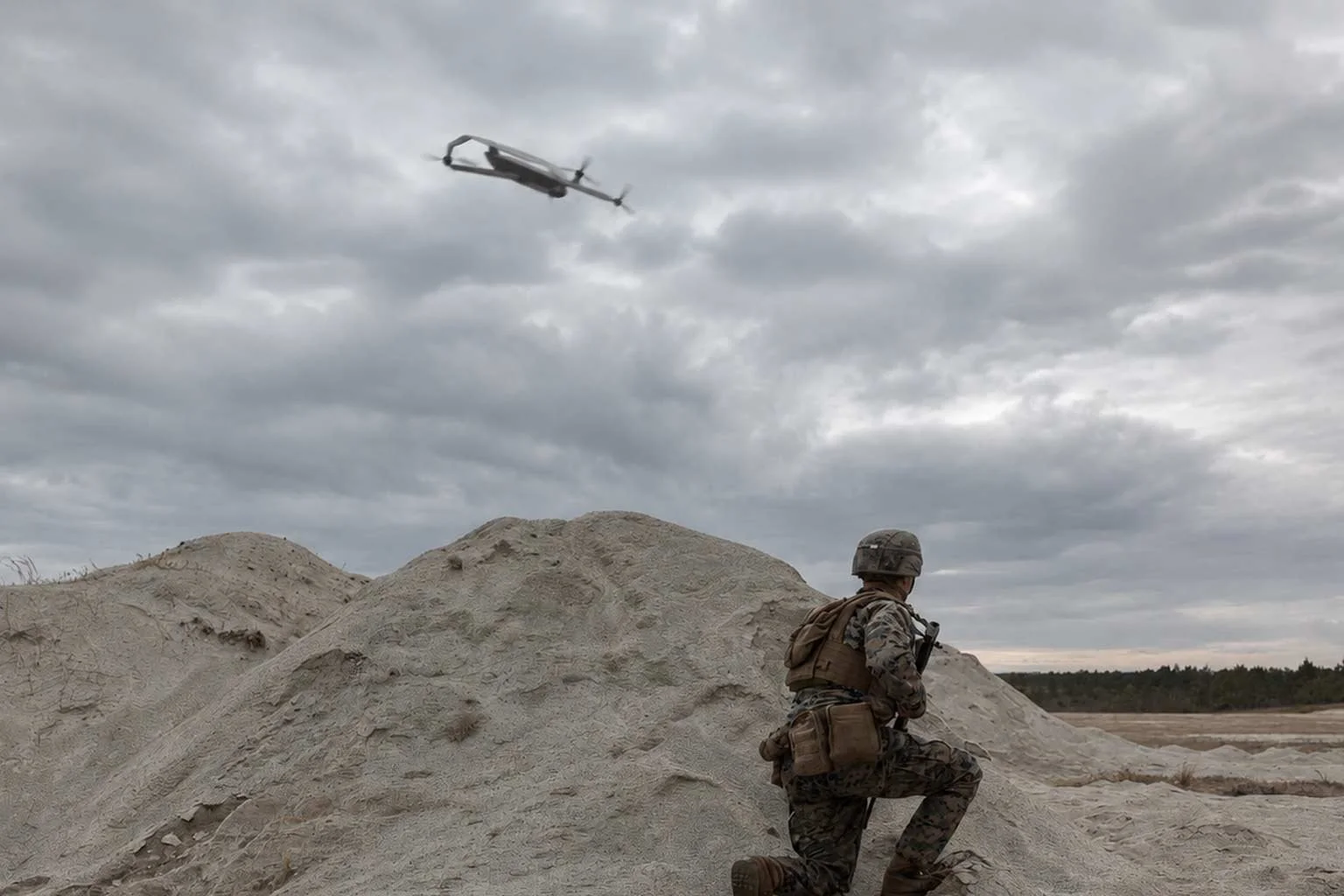
Defense
Persistent surveillance and multi-role deployment in contested environments.
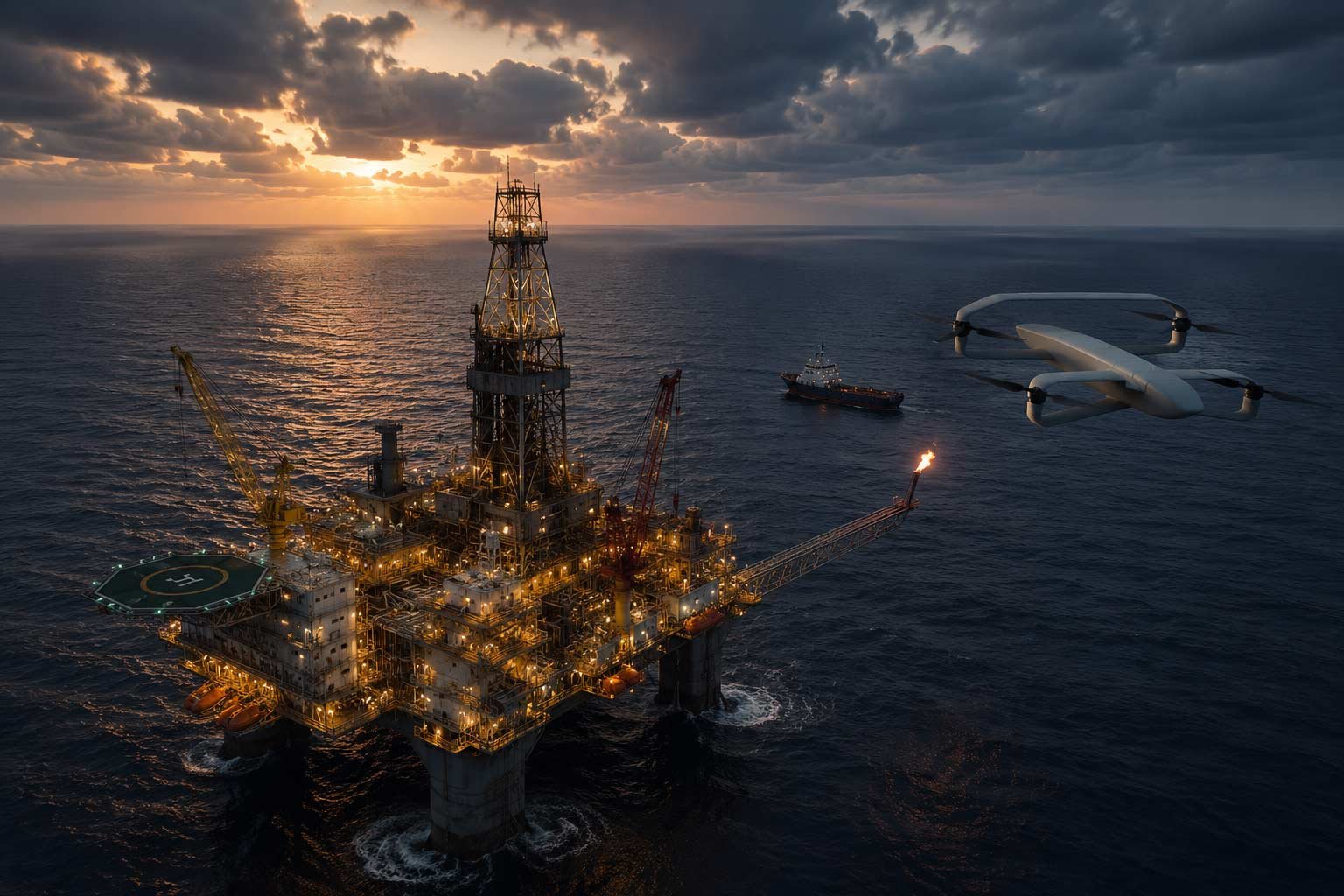
Maritime
Ship-to-shore operations without runways or landing infrastructure.
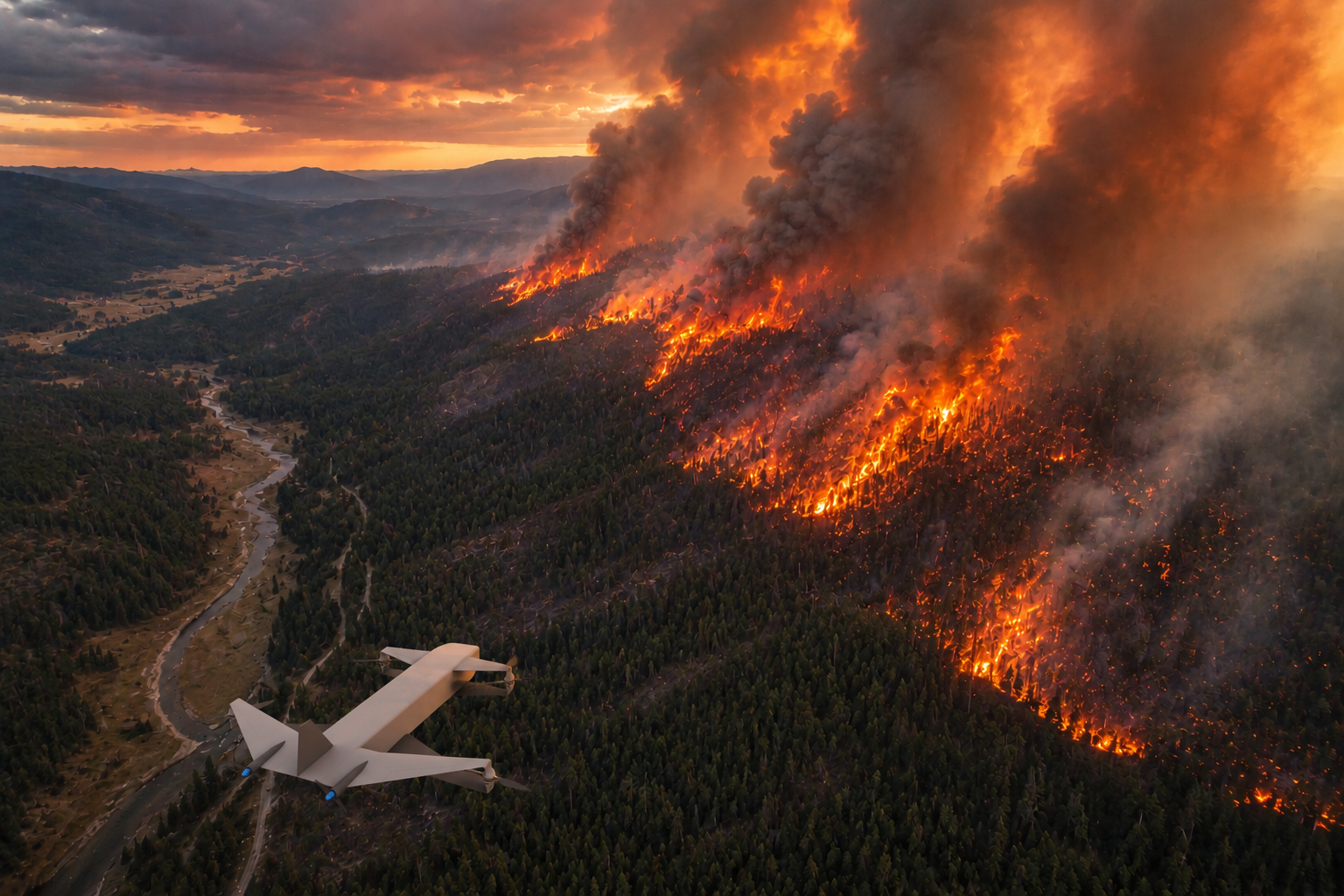
Emergency Response & Safety
Airborne mesh networking — persistent connectivity in austere environments.
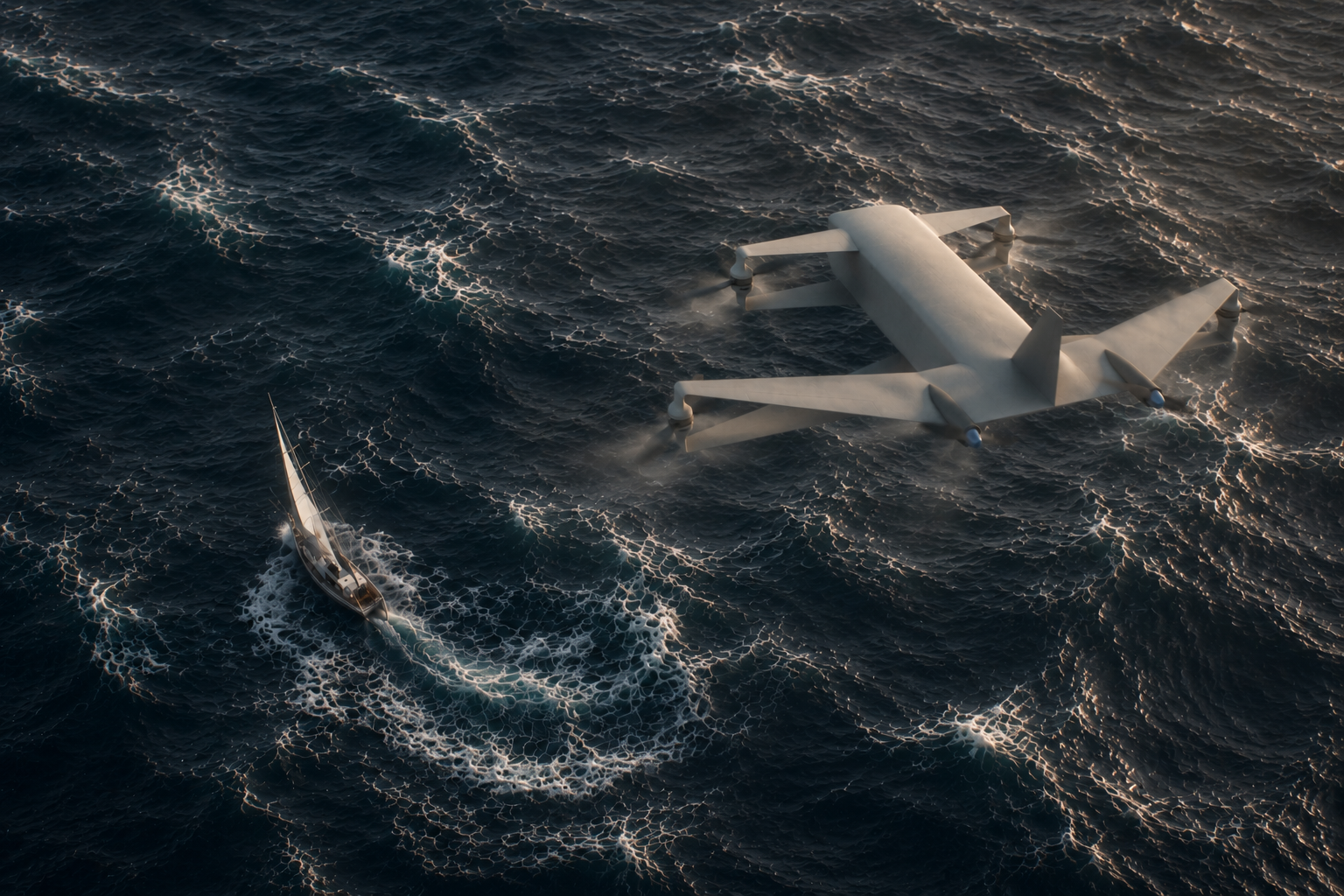
Search & Rescue
Long-endurance hover with fixed-wing transit.
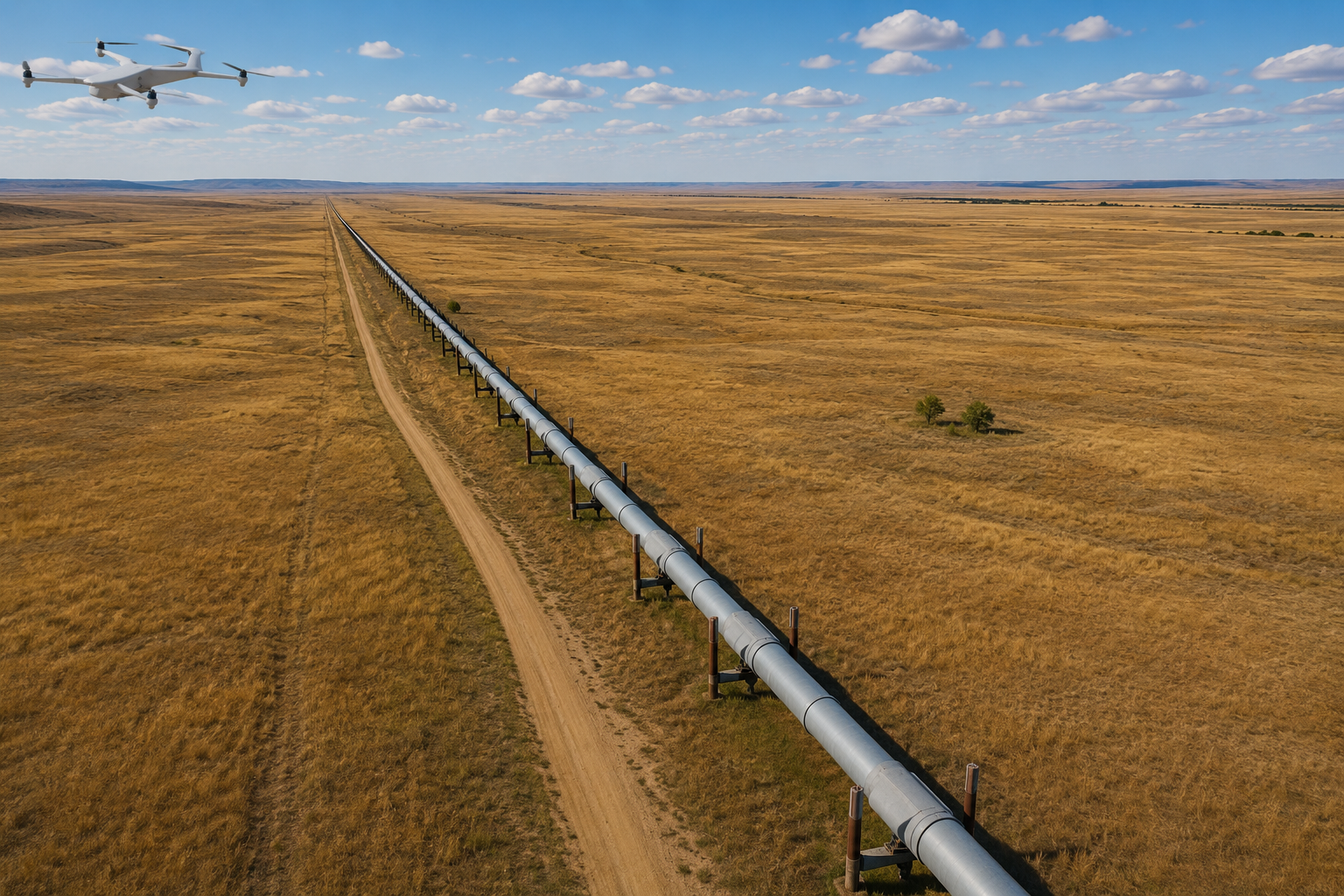
Infrastructure
Extended-range inspection of pipelines, powerlines, critical corridors.
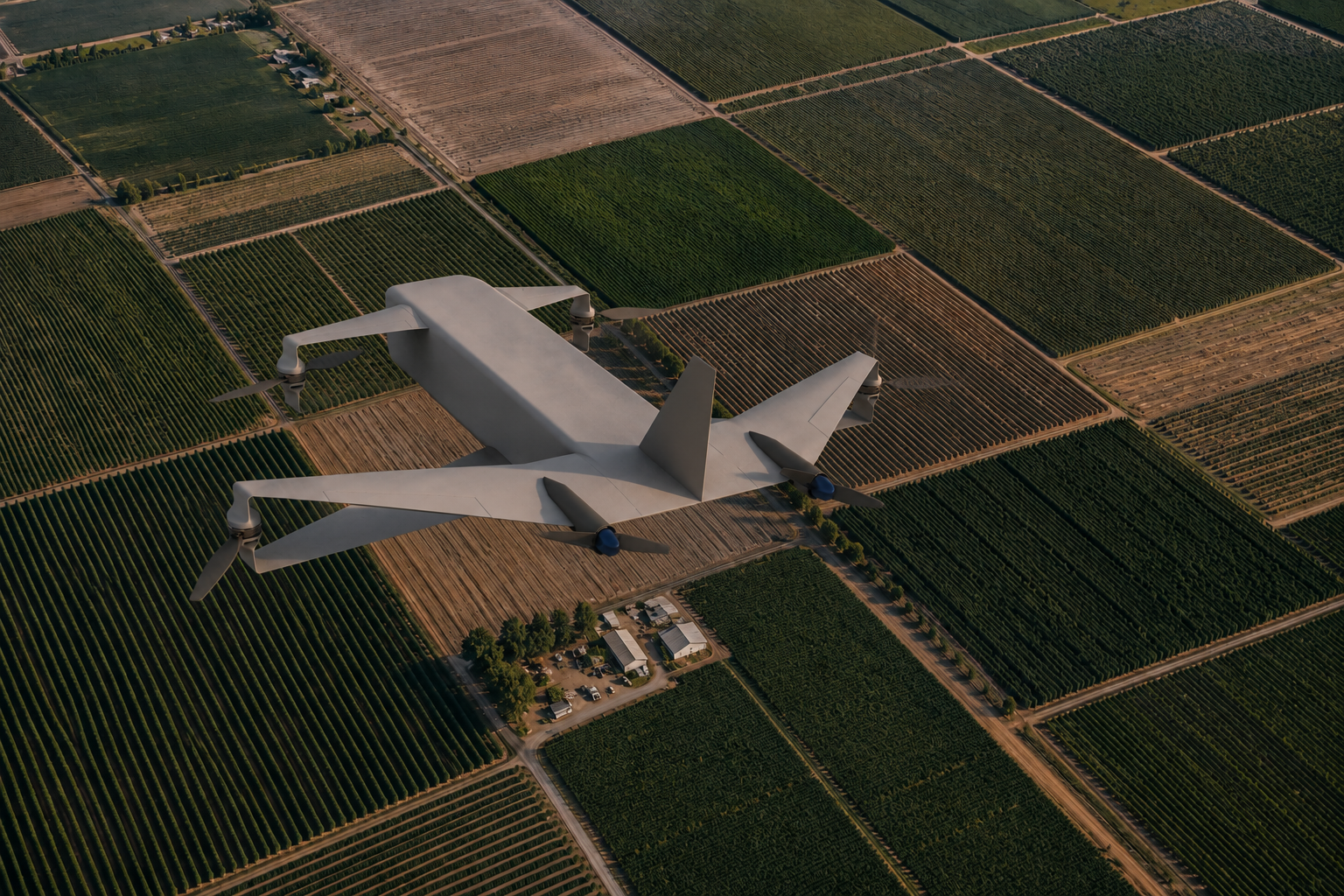
Surveying
Terrain mapping with VTOL precision and fixed-wing range.
Devour the Sky.